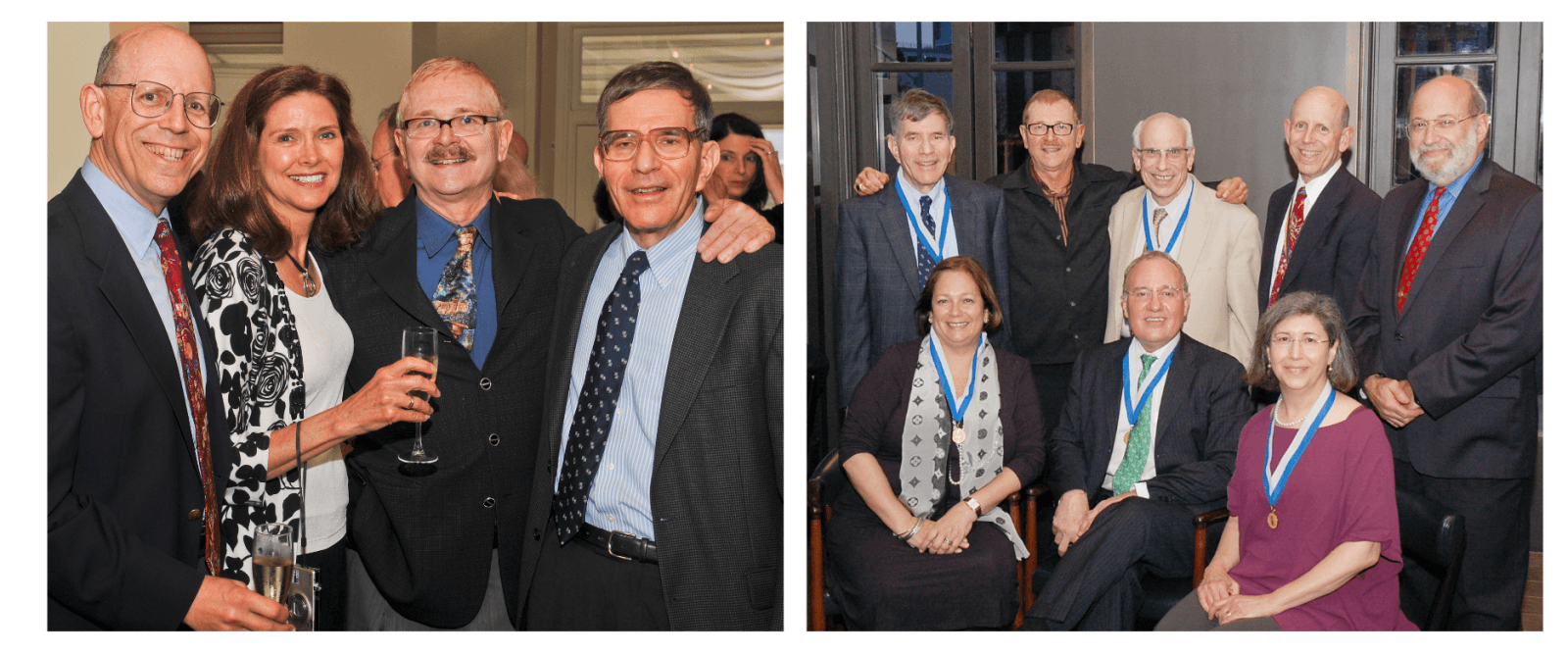
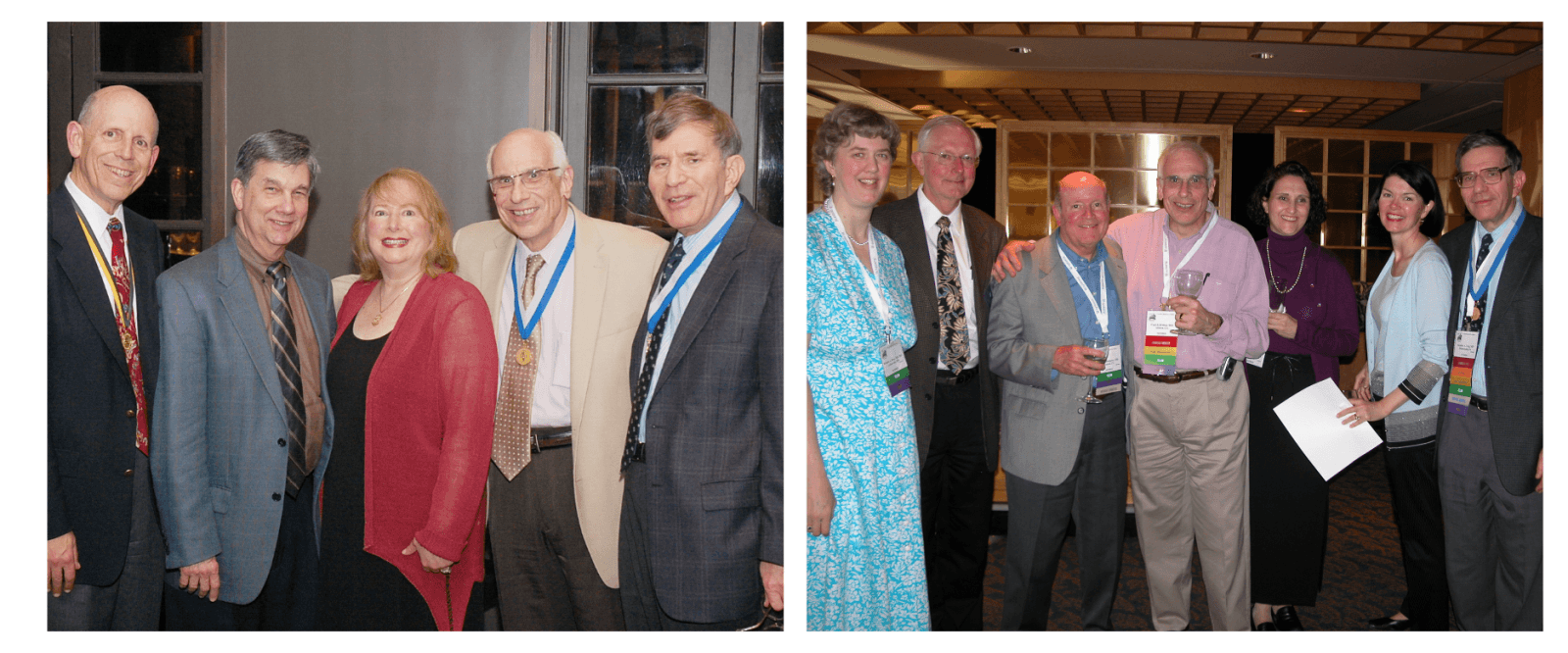
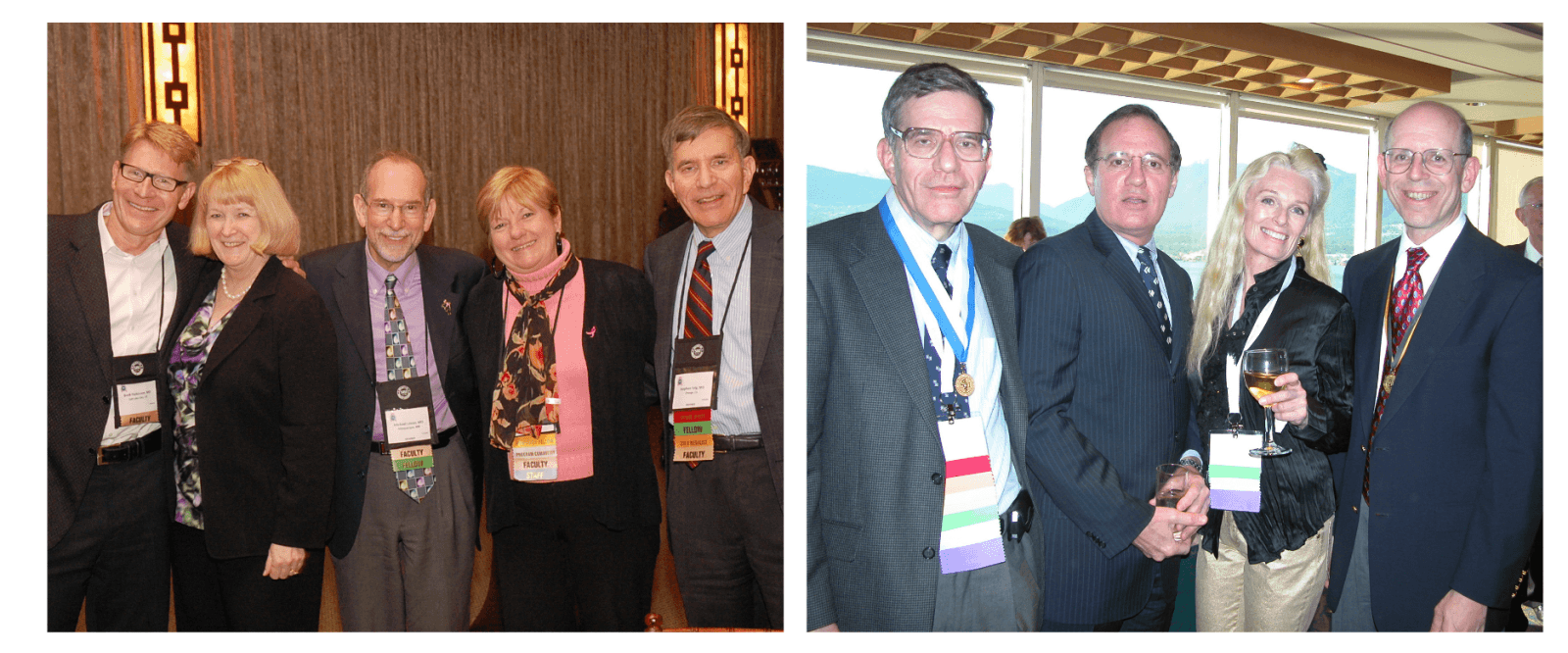
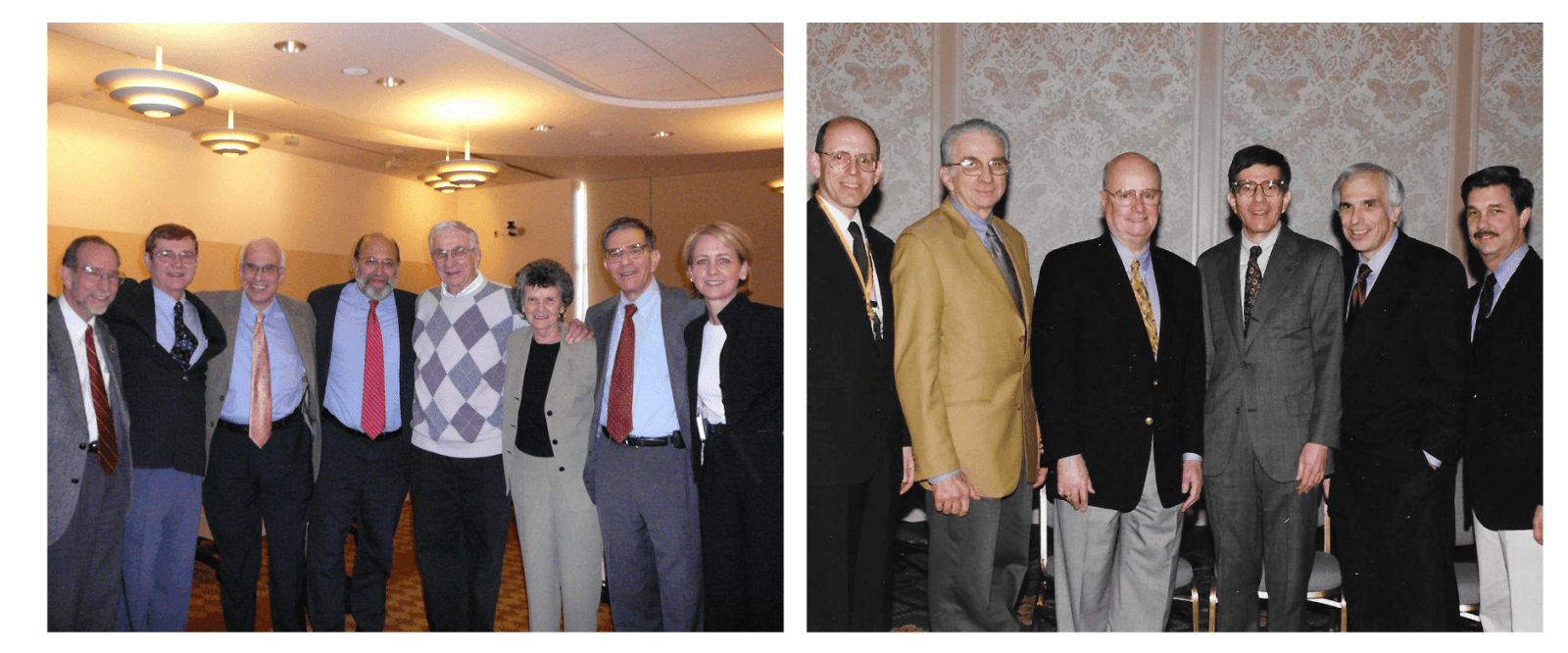
In Loving Memory of
Stephen A. Feig, MD, FACR, FSBI
In Loving Memory of
Stephen A. Feig, MD, FACR, FSBI
Stephen A. Feig, MD, FACR, FSBI
A Life in Service of Women’s Health
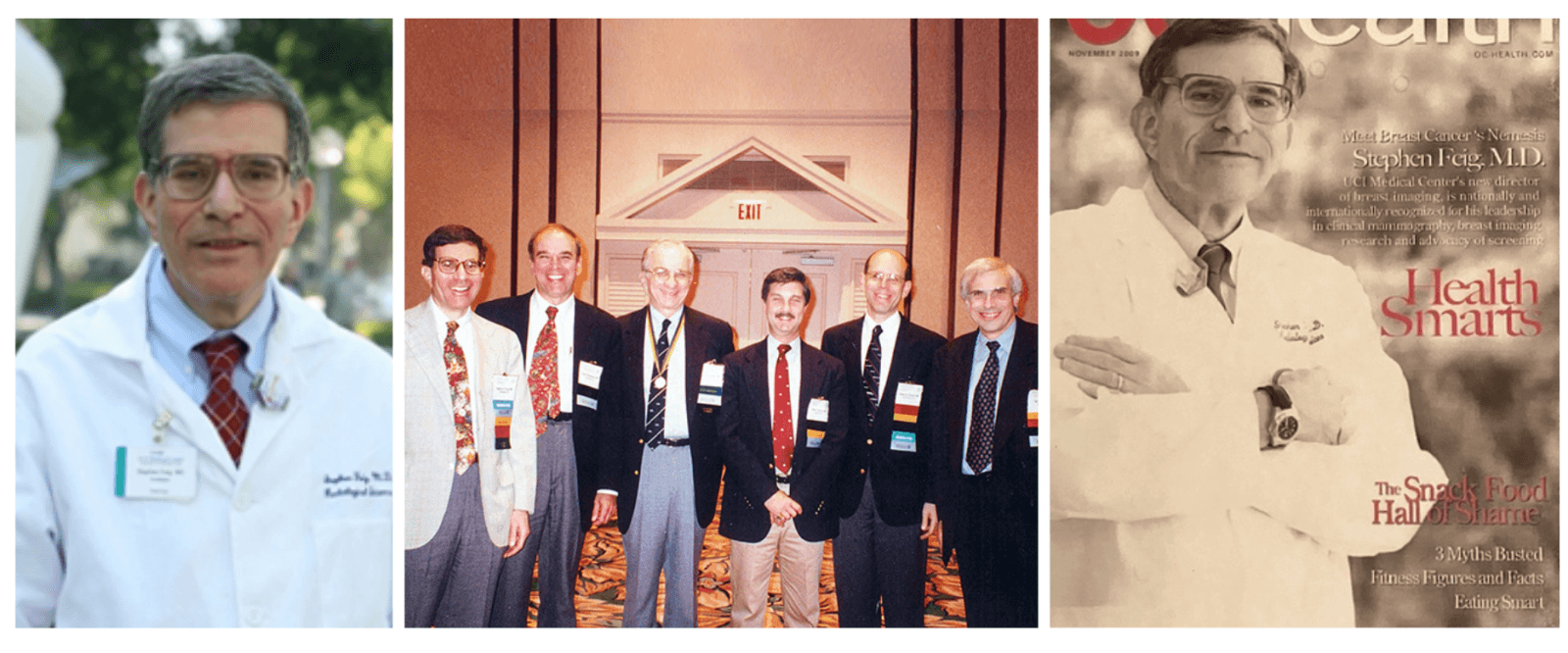
Stephen A. Feig, MD, FACR, FSBI was a visionary physician, researcher, and educator whose over 50 years of tireless dedication to all aspects of breast imaging helped shape the field as it exists today. His contributions have saved countless lives. To those who knew him, what stood out most was not his extraordinary list of accomplishments, but his genuine love of his work.
FROM MANHATTAN TO THE WORLD
Dr. Feig grew up in New York City, riding the buses and subway from Manhattan to the rigorous Bronx High School of Science and then Columbia College at Columbia University as an undergraduate. He earned his M.D. degree from New York University School of Medicine, with his internship at Beth Israel Medical Center in New York City. Following his radiology residency at Albert Einstein College of Medicine, he was immediately drafted into the U.S. Army Medical Corp for two years, 1971-1973, because of the Vietnam War. On the other side of the world, Major Feig became Chief of Radiology at the U.S. Army Hospital on Okinawa, in the East China Sea — and was selected as the Liaison for the Nuclear Bomb Team. It was a formative experience that reflected both his courage and his capacity for leadership under pressure.
A PIONEER WHO LET THE DATA SPEAK
Among his earliest and most consequential contributions was a study that cut against a rising technology of the time. Thermography had strong financial backing from industry and prominent institutional support. However, rather than accept the consensus, Dr. Feig, himself, reviewed the more than 16,000 mammograms and led a comparison of thermography, mammography, and clinical examination. The findings, published in Radiology in 1977, clearly demonstrated that X-ray mammography was superior to thermography for detecting breast cancer. It was a defining act of scientific integrity, persistence, and courage. As a result, the course of breast imaging was forever changed. Thermography fell to the wayside and the development of X-ray mammography ensued, with the impact of saving of millions of lives.
Armed with a strong background in mathematics, he also tackled one of the most fraught questions in the field: the radiation risk to women from mammography. Dr. Feig’s analyses became widely cited and reassuring to the general population as well as the medical community. They helped to further establish that the life-saving benefits of screening far outweighed the risks, and screening mammography of the masses, globally, could proceed without fear.
BUILDING THE INFRASTRUCTURE OF A FIELD
Dr. Feig’s contributions were never limited to individual studies. He thought in systems — and he was devoted to building the structures that would allow breast imaging to reach more women, more effectively.
He was a driving force behind efforts to extend screening to women under 50, navigating the complex terrain of scientific proof, institutional approval, and funding. His work brought him before the National Institutes of Health, into the development of national mammography screening guidelines, and into the creation of BI-RADS — the Breast Imaging Reporting and Data System — a universal language that standardized how mammograms were described, reported, and coded across the country. That standardization transformed the quality and consistency of breast cancer diagnosis nationwide.
His fingerprints were also on the Mammography Quality Standards Act (MQSA), the federal legislation that established mandatory quality standards for mammography equipment and imaging centers across the United States. Dr. Feig was the initial Chairman of the American College of Radiology Committee on Mammography Quality Assurance during the foundational years of 1993 – 2000, and also served on related subcommittees for over a decade, helping to initiate and implement those standards at a national level.
Throughout his career, the equipment itself was a constant focus. Dr. Feig was involved with every new modality as it emerged and evolved into everyday use — from the film-screen mammography unit to biopsy techniques to computerized detection systems. He was always asking how it could be improved, refined, and successfully used for patient care.
A FOUNDING FATHER OF THE SOCIETY OF BREAST IMAGING
Dr. Feig was one of six original founders of the Society of Breast Imaging (SBI) — the professional home for breast imaging specialists that continues to shape the specialty to this day.
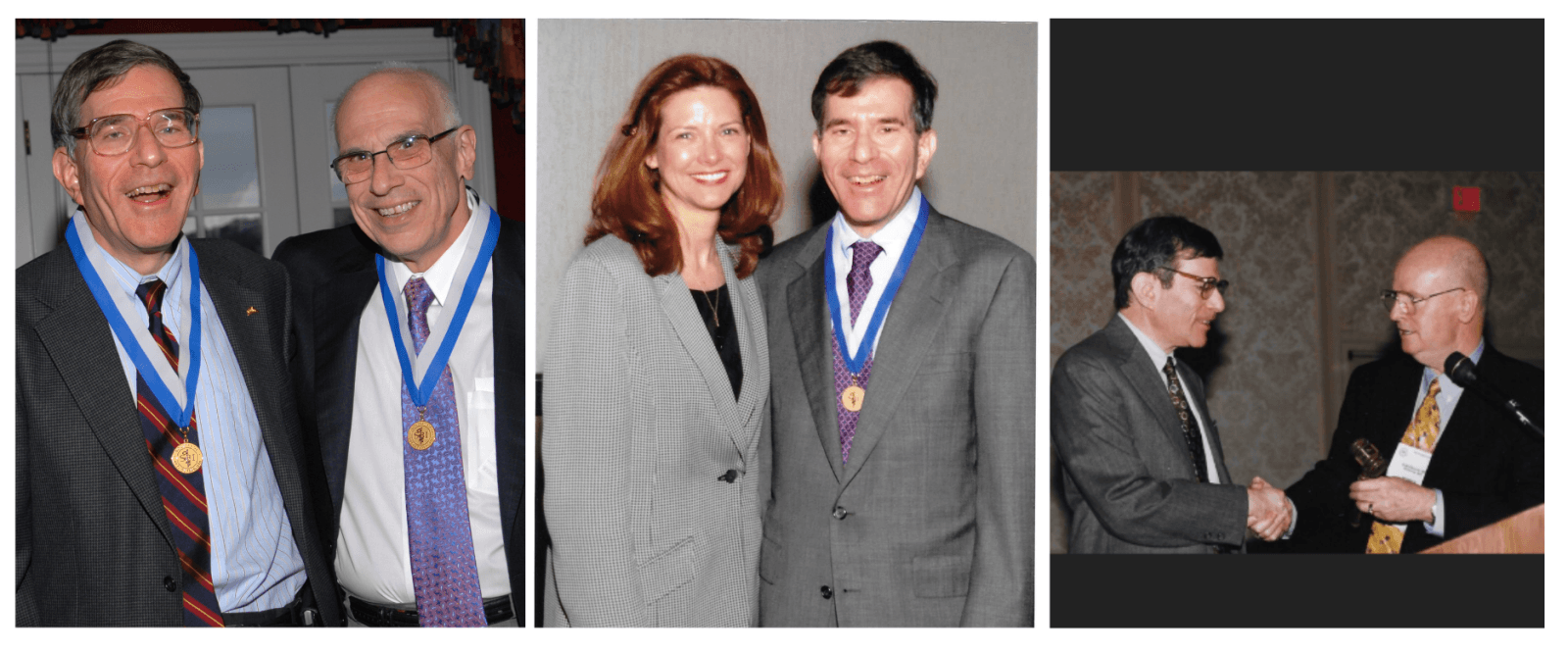
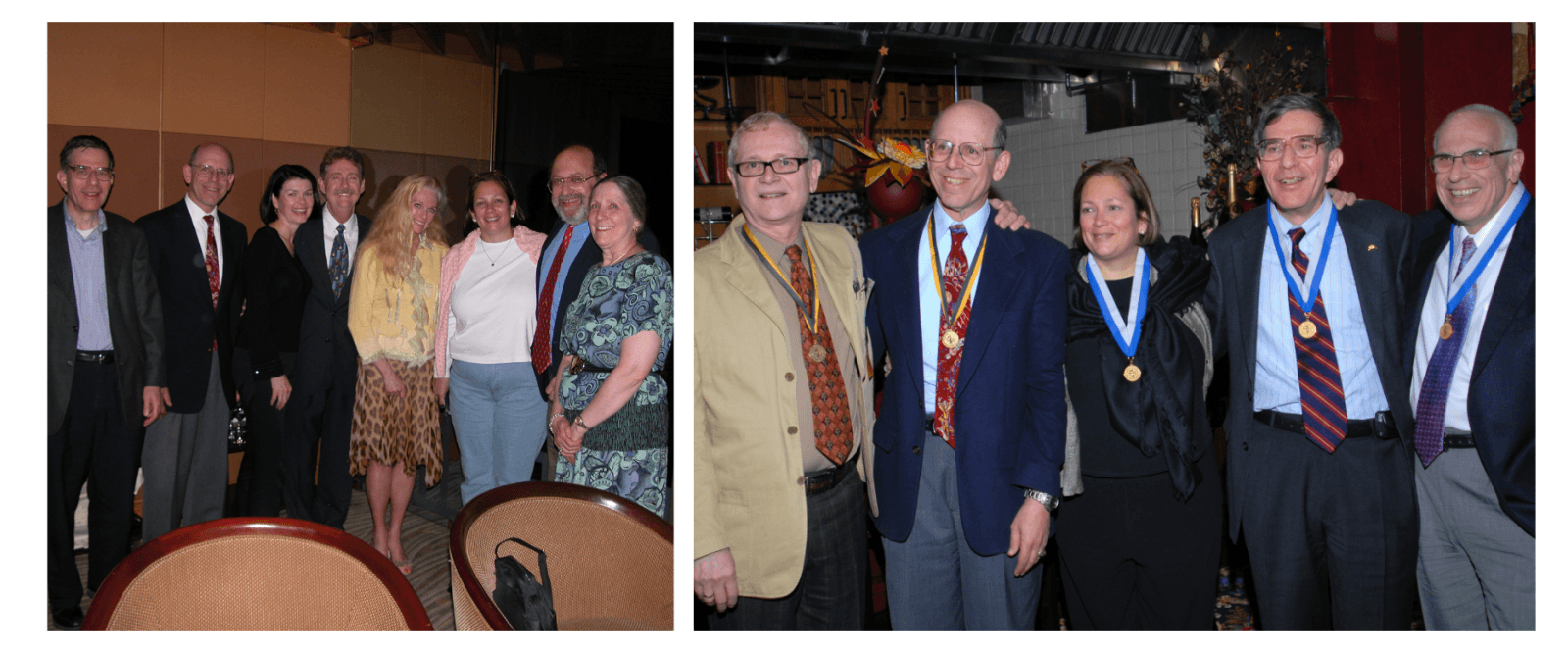
From the beginning in 1985 and throughout the earliest days, he was on the Executive Committee, edited the SBI Newsletter, and later became the SBI President. In 2003, Dr. Feig was awarded the Gold Medal, the highest honor of the Society of Breast Imaging. In 2020, on the 35th anniversary of SBI’s founding, he received a Special Recognition Award as one of those original six founders. Dr. Feig was also a Fellow of the SBI.
In November 2021, there was a focus upon the recent revelation that excellent technical factors along with the pattern of patient participation impacts breast cancer mortality reduction. Dr. Feig stated that linking both of these factors, shown by the results of the two linked manuscripts in Radiology June 2021 by Dr. Tabar et.al and by Dr. Feig, “indicate that screening can achieve far greater benefits than has yet been shown in all previous studies. The frontier lies ahead for even more lives to be saved and the SBI will continue to be a leader in this mission.”
A CAREER OF EXTRAORDINARY DISTINCTION
Over more than five decades, Dr. Feig held faculty appointments at some of the nation’s leading academic medical centers — Thomas Jefferson University, where he achieved full Professor within 5 years, The Mount Sinai School of Medicine in New York City, and the University of California, Irvine, where he held the Fong and Jean Tsai Endowed Chair in Women’s Imaging from 2011 until his retirement in July 2021. He was recognized year after year in Best Doctors in America, America’s Top Doctors, and by Castle Connolly as among the top 1% of physicians nationally in diagnostic radiology.
He was a Fellow of the American College of Radiology, a Distinguished Emeritus Member of the National Council on Radiation Protection and Measurements, and the recipient of the Lifetime Service Award from the American Board of Radiology (ABR). For over 20 years, Dr. Feig actively participated in the ABR Certification Exam of radiology candidates. He served on both the Written Examination Committee, writing and evaluating questions for the written boards, and also went to Louisville, Kentucky year after year to conduct the in-person oral board certifying exam of the individual candidates.
His research was supported by millions of dollars in NIH and NCI grants. From 1973 to 2005, while in New York City and Philadelphia, he published more than 150 peer-review papers during those 32 years. Many of those papers applied mathematical methods to evaluate screening mammography controversies. Topics included comparison of the observed benefit of decreased breast cancer mortality to the screening frequency, patient age, and possible radiation risk from mammography, the assessment of image quality for breast masses and calcifications, the biopsy positive predictive value for screening and diagnostic studies. His updated 1973 to 2023 breast imaging publications include 210 peer-review articles, 61 book chapters, and 31 books and major textbook contributions, 134 invited papers, and editor of 2 breast imaging journals. Dr. Feig was also co-author of 2 books on radiation risk to the breast, through the National Council on Radiation Protection and Measurements (NCRP).
And yet — he didn’t talk about any of it. He just loved his work.
A LEGACY THAT LIVES ON
Dr. Feig leaves behind his beloved wife, Christine C. Feig, M.D., and their son, Byron A. Feig, M.D., M.B.A. He also leaves behind an entire field shaped by his intellect, his integrity, and his inexhaustible passion for saving lives through better imaging and consistent mammographic screening beginning under age 50.
For the members and friends of SBI — new and old — Dr. Feig’s legacy is not abstract. It lives in the standards we use, the systems we practice within, the organization we call home, and the countless women whose cancers were found early and whose lives were saved because he would not stop pushing the field forward.
Dr. Stephen A. Feig was one of a kind. He will not be forgotten.
The Evolution of Breast Imaging:
How the Research of Stephen A. Feig M.D. Contributed
“Contributions to Science”
by Stephen A. Feig, MD, FACR, FSBI
1. As early as 1975, questions were raised regarding the potential carcinogenic risk from screening mammography, and whether that risk might exceed the benefit from early detection, especially for younger women. With accumulation of data on mortality reduction through randomized trials of screening mammography in the 1980s and 1990s and reduction in radiation dose by means of screen-film mammography, it became possible to calculate accurate benefit/risk ratios for lives saved versus possibly lost and for years of life gained versus lost for various age groups. My research showed that the risk from current mammography techniques is negligible or non-existent compared to the benefit from screening radiation risk.
- Feig SA: Radiation risk from mammography: Is it clinically significant? AJR 143:469-476, 1984. PMID: 6331723
- Feig SA, Ehrlich SM: Estimation of radiation risk from screening mammography: Recent trends and comparison with expected benefits. Radiology 174:638-647, 1990. PMID: 2305043
- Feig SA, Hendrick RE: Radiation risk from screening mammography of women aged 40-49 years. Monog Natl Cancer Inst 22:119-124, 1997. PMID: 9709287
- Rothenberg LN, Feig SA, Haus AG, Hendrick RE, Howe GR, McCrohan JL, Sickles EA, Yaffe MJ, Logan-Young WW. A Guide to Mammography and Other Breast Imaging Procedures (NRCP Report No. 149). Bethesda MD: National Council on Radiation Protection and Measurements, 2005, 379 pp.
2. With the widespread use of screening in the 1980s, the need to reduce radiation dose and improve technical quality of imaging become priorities. My survey of radiation dose at facilities in the Northeast showed that extremely high doses were common. That finding led to the initiation of the ACR Mammography Accreditation Program and passage of the Mammography Quality Standards Act (MQSA) by the U.S. Congress. Working with the Center for Disease Control (CDC) and the National Council of Radiation Protection and Measurements, I helped develop specifications for low dose examinations and standards for improved mammography equipment. I also showed the relationship of technical quality to the efficacy of screening.
- Galkin BM, Feig SA, Muir HD: The technical quality of mammography in centers participating in a regional breast cancer awareness program. RadioGraphics 8:133-146, 1988. PMID: 3353530
- Yaffe MJ. Hendrick RE, Feig SA, Rothenberg LN, Och J, Gagne R: Recommended specifications for new mammography equipment: Report of the ACR-CDC Focus Group on Mammography Equipment. Radiology 197:19-26, 1995. PMID: 7568821
- Feig SA: Screening mammography: Effect of image quality on clinical outcome. AJR Am J Roentgenol 2002; 178:805-807. PMID: 11906850
- Rothenberg L, Feig SA, Haus A, Jans R, Logan WW, Shore RE, Sickles EA, Stanton L: Mammography, A User's Guide, NCRP Report No 72. Bethesda, MD: National Council on Radiation Protection and Measurements, 1986, 178 pp.
3. Another critical clinical issue is determination of the best tradeoff between screening frequency and cost. Using data from tumor size and stage of screen-detected and interval cancers in screening trials, I have shown that annual screening will reduce breast cancer death rates 20-30% greater than biennial screening. This annual screening should be more effective, but biennial will be more cost-effective.
- Feig SA: Determination of mammographic screening intervals with surrogate measures for women age 40-49 years. Radiology 193:311-314, 1994. PMID: 7972732
- Feig SA: Estimation off currently attainable benefit from mammographic screening of women aged 40-49 years. Cancer 75:2412-2419, 1995. PMID: 7736383
- Feig SA: Mammographic screening of women aged 40-49 years: Benefit, risk, and cost consideration. Cancer 76:2097-2106, 1995. PMID: 8635007
- Feig SA: Increased benefit from shorter screening mammography intervals for women ages 40-49 years. Cancer 80:2035-2039, 1997. PMID: 9392324
4. Another focus of my research has been the demonstration of proper methodology for determination of screening guidelines based on results from screening studies. This includes appropriate use of “number needed to screen” (NNS) to save one life or year of life. I also showed the effect of proper or improper randomization and mammographic technical quality on results from screening. I demonstrated the importance of appropriate age grouping in determining which age groups should be screened. Also, I have analyzed the importance of adjustment for lead time and length of follow-up in estimating the frequency of overdiagnosis.
- Feig SA: Number needed to screen: Appropriate use of this new basis for screening mammography guidelines. AJR, Am J Roentgenol 2012;198:1214-1217. PMID: 22528916
- Kopans DB, Feig SA: The Canadian National Breast Screening Study: A critical review. AJR 161:755-760, 1993. PMID: 8372752
- Feig SA: Age-related accuracy of screening mammography: How should it be measured? Radiology 214:633-640, 2000. PMID: 10715022
- Feig SA: Overdiagnosis of breast cancer at screening is clinically insignificant. Academic Radiology 2015; 22(8):961-6. PMID: 25797300
5. Much of my research has been to develop methods to improve radiologist interpretive performance. Some of this has involved identification of criteria for recommending biopsy. Another facet has been to develop standards to assess radiologist interpretive performance in terms of clinical interpretive outcomes, such as recall rates, positive predictive value, sensitivity and specificity.
- Feig SA. Pitfalls in accurate estimation of overdiagnosis: implications for screening policy and compliance. Breast Cancer Research, 2013;15:105. PMCID: PMC3978609
- Price ER, Hargreaves J, Lipson JA, Sickles EA, Brenner RJ, Lindfors KK, Joe BN, Leung JWT, Feig SA, Bassett LW, Ojeda-Fournier H, Daniel BN, Kurian AM, Love E, Ryan L, Walgenbach DD, Ikeda DM. The California Breast Density Information Group: A collaborative response to the issues of breast density, breast cancer risk, and breast density notification legislation. Radiology, 2013; 269(3):887-892. PMID: 24023072
- Molloi S., Ding H. Feig, SA. Breast density evaluation using spectral mammography, radiologic reader assessment and segmentation techniques, a retrospective study based on left and right breast comparison. Academic Radiology 2015; 22: 1052-1059. PMID: 26031229
- Miglioretti DL, Ichikawa L, Smith RA, Bassett LW, Feig SA, et al: Criteria for identifying radiologist with acceptable interpretive performance based on multiple performance measures. AJR 2015 204: W486-491. PMCID: PMC4369798
A More Complete List of Published Work in His Bibliography: