
DEI and Physician Wellness
By Lauren Snider, MD and Arthy Saravanan, MD
Diversity, equity, inclusion and belonging (DEIB) and its impact on the workplace environment is a dialogue topic requiring careful and thoughtful navigation, especially in recent years, can evoke heightened tense discussions. On the contrary, physician wellness within the work environment is traditionally a more manageable, sunnier topic of conversation. DEIB and its impact on physician wellness is a multidimensional, complex intersection. We aim to briefly highlight contributing factors to suboptimal physician wellness amongst marginalized groups as well as provide solution strategies to improve physician wellness, resulting in improved faculty and trainee recruitment, retention, increased productivity, and overall improve patient outcomes in an inclusive diverse workplace.
Microaggressions and unconscious/implicit bias have long been reported to contribute to suboptimal, non-inclusive work environments. Microaggressions can be subtle and unconscious, thus making the microaggressor unaware of their negative impact. Microaggressions are not always racially motivated. For instance, informing a group of female faculty or trainees that they can bring their boyfriends or husbands to a department/practice-sponsored social event is considered a microaggression to a member of the LGBTQIA+ community. Another example is a female physician being introduced to a patient by her first name by a staff member versus her male colleague counterpart being introduced as “Dr.” by the same staff member.
Regarding unconscious/implicit bias, it exists within us all. In 2022, Hall and Brown’s article [1] highlighted “Project Implicit,” a non-profit organization who designed an implicit association test aimed to provide self-awareness regarding one’s inherent attitudes and beliefs on various topics and stereotypes. When individuals, particularly in underrepresented groups, are subjected to microaggressions and unconscious/implicit bias frequently, it can affect self-confidence, cause new and/or worsen existing mental health issues, intensify feelings of stress, isolation, loneliness, and feelings of being more scrutinized compared to peers. Ultimately, these external and internal stressors accelerate the potential for physician burnout, particularly amongst underrepresented groups. Addressing microaggressions and unconscious/implicit bias can be challenging and induce feelings of both defenselessness and defensiveness; however, intentionally strategizing solutions can mitigate these stressors and decrease physician burnout rates.
The implications of facing such microaggressions can especially be exacerbated in underrepresented groups who are also undergoing burnout, shame, fear and guilt in this evolving landscape. The concept of a toxic workplace unfortunately exists in a wide range of settings and can be experienced by all physicians but might be felt more profoundly amongst groups that already have implicit biases and attitudes towards them. For example, a female radiologist who may be struggling with childcare and balancing work hours and call shifts, may be more significantly impacted by a boss who micromanages and has previously suggested taking a break. The shame and guilt that this already marginalized physician might experience may be a stronger emotion than someone who has not experienced implicit bias.
Allowing space and providing forums to freely talk about some of these difficult situations, especially in underrepresented groups is crucial. The traditional mindset of perfection and striving for a societally accepted norm should be slowly dispelled to make room to share stressful emotions that can be experienced. Shame, guilt, fear that may arise from a toxic work environment or from the home setting should be openly discussed with colleagues and friends. This allows for shared camaraderie as well as decreasing the intensity of such negative emotions, especially in underrepresented groups.
At the foundation, organizations/institutions must first define and identify what makes an environment exclusive, recognize there is not a “one size fit all” solution, and remain open to a multifaceted approach to create solutions.
Potential Actionable Solutions Include:
- Amplify underrepresented voices via being intentional in gleaning all opinions during meetings, utilize social media to broadcast diverse guest lecturers and/or staff participation in DEIB-related activities [2], etc.
- Avoid burdening underrepresented colleagues with the responsibility to educate other colleagues about DEIB and its various branch points [3]
- All employees, especially members of a department/practice selection committee, being encouraged to take the implicit bias test and/or enroll in bias training sessions to identify unconscious/implicit biases, then subsequently strategize and implement solutions to be beneficial for the larger workforce
- Create a culture of personal support and professional development via mentorship and sponsorship [4]
- Offer forums focusing on underrepresented groups to freely discuss difficult emotions and stressful situations
- These can be in the form of support groups, coaching circles or peer support meetings, either in person or virtually
- Provide specific training and resources in the form of videos, or podcasts to other colleagues to help raise awareness of implicit bias
- Empower allyship via fostering a culture encouraging peer-to-peer or senior-to-junior informal check-ins
- Advocate for situational needs in the work environment [4]
- Most importantly, keep all conversation tones non-blaming and open; reframe the line of questioning, when necessary
In summary, as radiology physician and staffing shortages continue to be ongoing, imaging volumes continue to steadily increase, and as the landscape of healthcare continues to evolve, intentional and thoughtful cultivation of an inclusive and equitable workplace, as an avenue of overall wellness, remains of utmost importance. A 2021 Harvard Business Review article [5], focused on DEI, stated “you’ve got to run DEI like a business function, not like an HR [Human Resources] program.” This is a mantra for us all, not only as a social responsibility but also as we strive to create culturally congruent practices, improve team effectiveness, and provide effective quality healthcare delivery.
At the upcoming SBI Symposium, please join us at one of the roundtable discussions, to carry the dialogue forward. We look forward to meeting many of you in person in Seattle.
REFERENCES
- Hall TR, Brown K. Diversity in radiology: the right thing to do, the smart thing to do. Pediatr Radiol 2022; 52:1711–1718
- Kandel K, Awan OA. Effectiveness of Social Media in Promoting Diversity, Equity, and Inclusion in Radiology Residency Programs. Academic Radiology 2025; 32:4477–4479
- Young PJ, Kagetsu NJ, Tomblinson CM, et al. The Intersection of Diversity and Well-Being. Academic Radiology 2023; 30:2031–2036
- Ayyala RS, Artunduaga M, Morin CE, Coley BD. Leveraging diversity, equity and inclusion for promoting wellness in the radiology workplace. Pediatr Radiol 2022; 52:1724–1729
- Creating a Culture of Diversity, Equity, and Inclusion. Harvard Business Review Analytic Services. https://hbr.org/resources/pdfs/comm/trusaic/CreatingDEIculture.pdf. Published 2021
- Ofri D. What doctors feel: how emotions affect the practice of medicine. Beacon press; 2013 Jun 4.A narrative-rich exploration of the emotional lives of physicians, including fear, shame, anger, and empathy. Bridges clinical culture with emotional reality and strongly supports the use of physician narratives in scholarly perspective writing.
- Robertson JJ, Long B. Suffering in silence: medical error and its impact on health care providers. The Journal of emergency medicine. 2018 Apr 1;54(4):402-9.
- West CP, Dyrbye LN, Erwin PJ, Shanafelt TD. Interventions to prevent and reduce physician burnout: a systematic review and meta-analysis. The lancet. 2016 Nov 5;388(10057):2272-81.Synthesizes evidence for both individual- and system-level interventions, allowing narrative strategies to be positioned as complementary rather than insufficient.
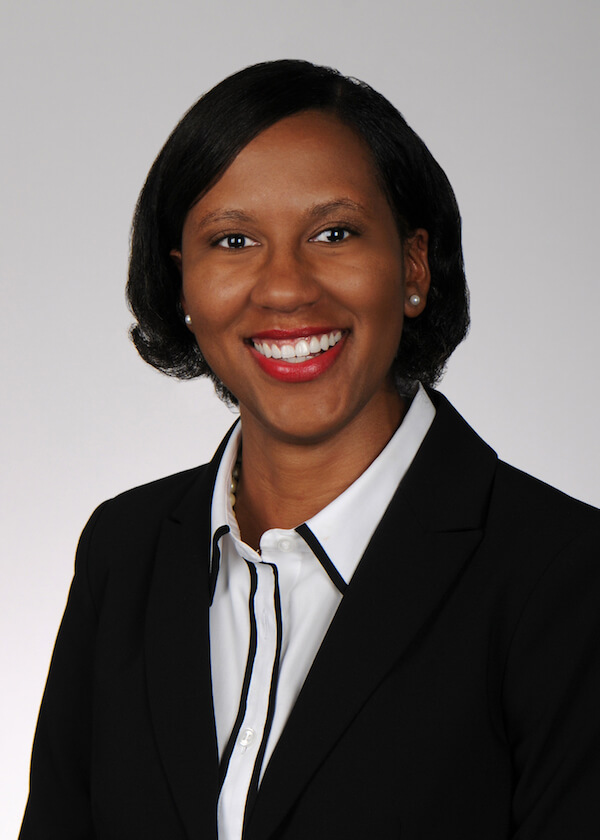 Lauren Snider, MD
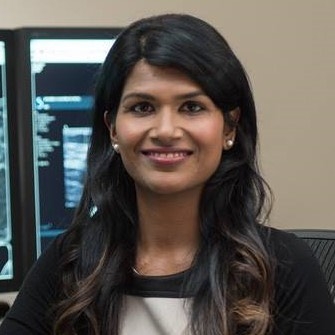 Arthy Saravanan, MD